Experiencing the Built Environment
Imagine driving through the vibrant streets of your favorite city. As you navigate familiar neighborhoods, the city awakens: the enticing aroma of local cuisine mingles with the sound of lively conversations, and every building seems to tell its own story. Historic storefronts and charming family-run shops stand side by side with modern establishments, each structure resonating with the community’s unique character. Every brick and facade feels intentionally crafted over time by the hands and hearts of those who call this place home.
Now, picture yourself on the interstate, where cities blur into one another. The landscape is dominated by generic strip malls and roadside plazas, their uniform design marked by the logos of national chains. This sameness offers only a vague, collective memory devoid of the vibrant, personal connections sparked by truly unique spaces.
This stark contrast lies at the heart of vernacular architecture, a term derived from the Latin vernus, meaning native. Unlike one-size-fits-all blueprints, vernacular architecture creates spaces that reflect the distinct history, culture, and needs of a community. These buildings are not merely constructed; they are organic expressions of local traditions and experiences.
For example, adobe dwellings in the American Southwest use locally sourced earth not only for natural insulation against intense heat but also to forge a deep connection to the land. Similarly, stilt houses in Southeast Asia are a thoughtful response to frequent flooding, showcasing a design that is as much about survival as it is about beauty.
 Inspect Detail
 Inspect Detail
From Architecture to Design Systems
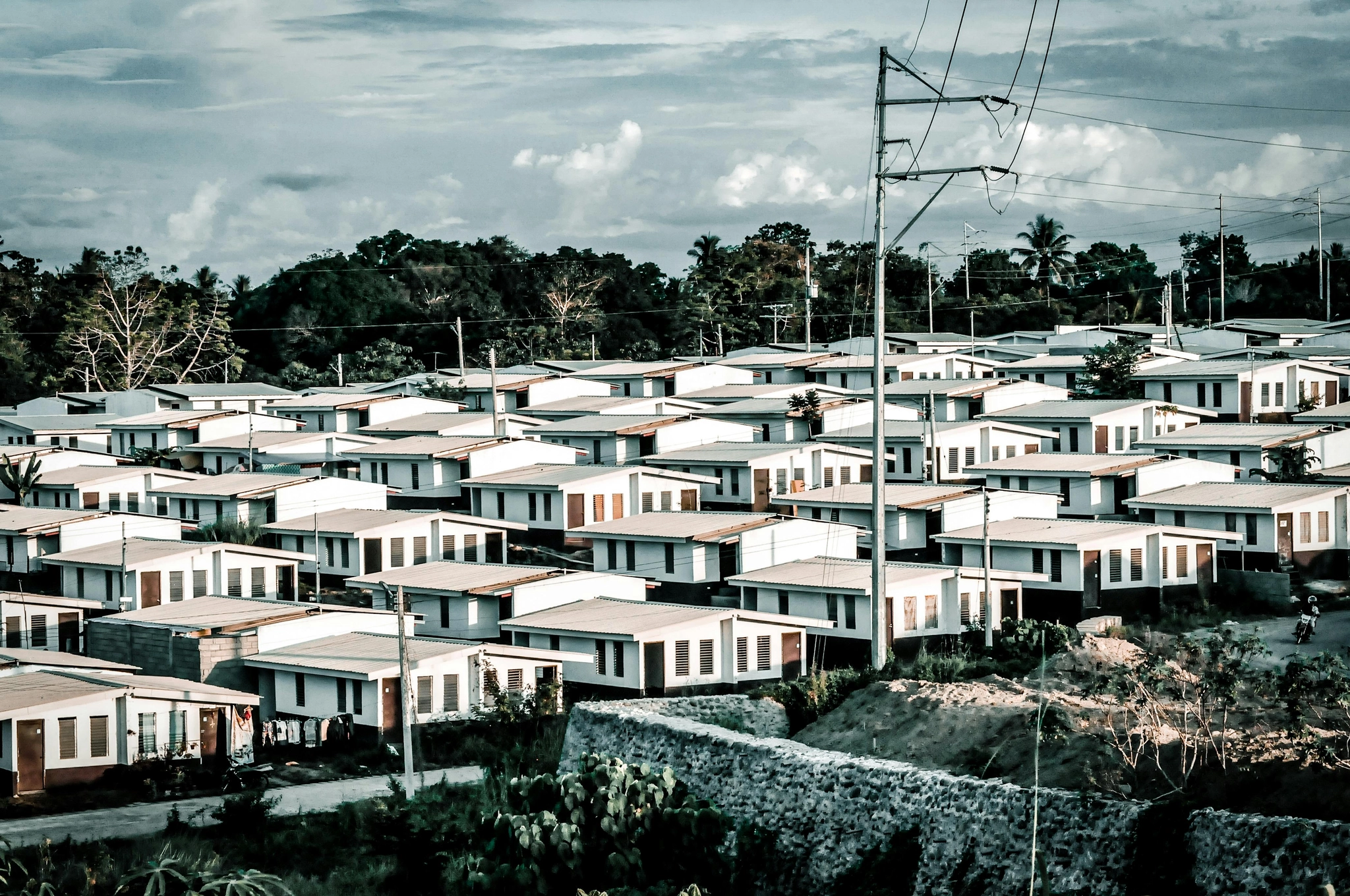
Before diving into the world of design systems, I practiced architecture, working on both large-scale enterprise projects and intimate, small-scale designs. This dual background has taught me that the true power of design lies in its ability to serve a community and reflect its unique character. Yet, in the realm of physical architecture, we’ve witnessed a troubling trend: an over-reliance on standardized designs that yield soulless, uniform structures. Many architects have struggled to claw their way out of this trap, asking, “If every building looks alike, what is the point of having an architect?”
The same risk exists in digital design. Just as a building must be a tailored response to the needs of its community, a design system should be a carefully crafted framework that addresses the unique challenges and opportunities of its product and its users. If we default to a one-size-fits-all approach, reducing our creative work to a series of adjustable levers, we risk producing digital experiences that are generic and devoid of character. We must be vigilant and intentional, ensuring that our design systems not only achieve consistency and efficiency but also resonate with the people they serve.
 Inspect Detail
The Challenge: Uniformity vs. Authenticity
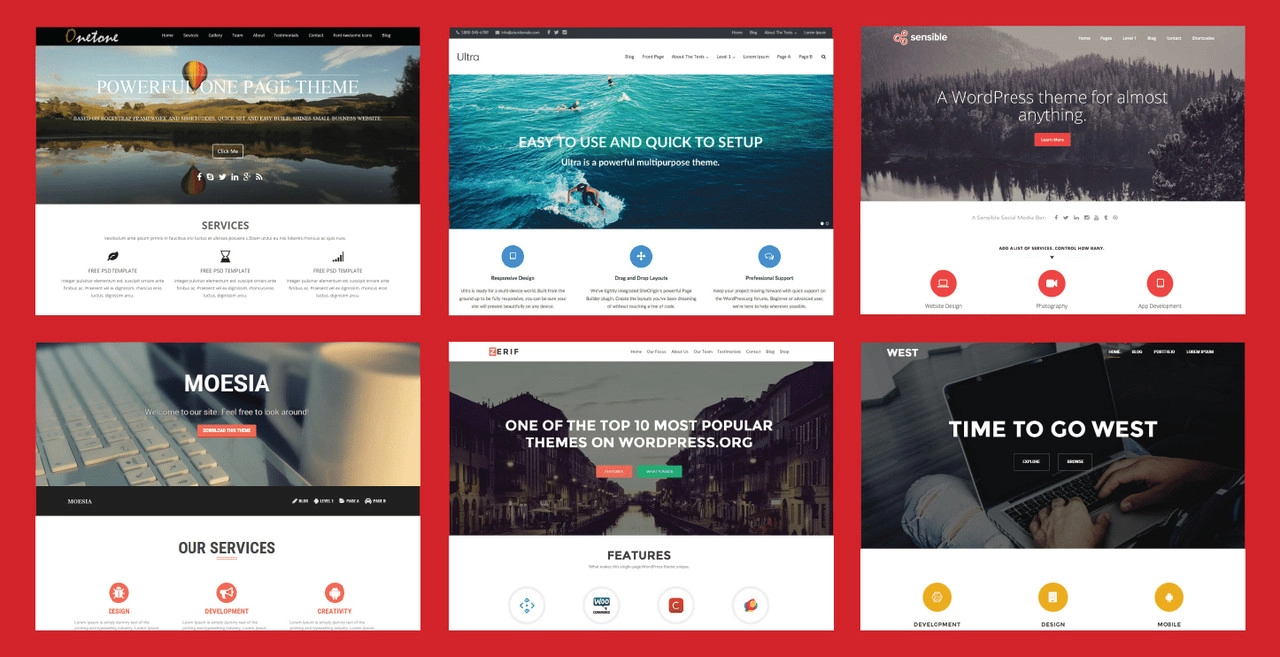
A common challenge in design systems is navigating the tension between uniformity and originality. In the pursuit of consistency, many systems end up producing outputs that feel overly homogenized, echoing the bland sameness of strip-mall architecture. Conversely, attempts to inject innovation can sometimes seem forced, disrupting the cohesive patterns that users have come to trust.
Too often, designers and developers look outward, borrowing best practices from global standards and third-party systems like Bootstrap, MUI, and more, rather than delving into the unique challenges of their own products. Research from Indiana University, Investigating the Homogenization of Web Design: A Mixed-Methods Approach, confirms this trend, showing that websites are increasingly converging on the same visual identity. While efficiency and usability are enhanced, creativity can be stifled, resulting in a digital landscape that feels generic.
 Inspect Detail
The Strip Mall of Digital Design
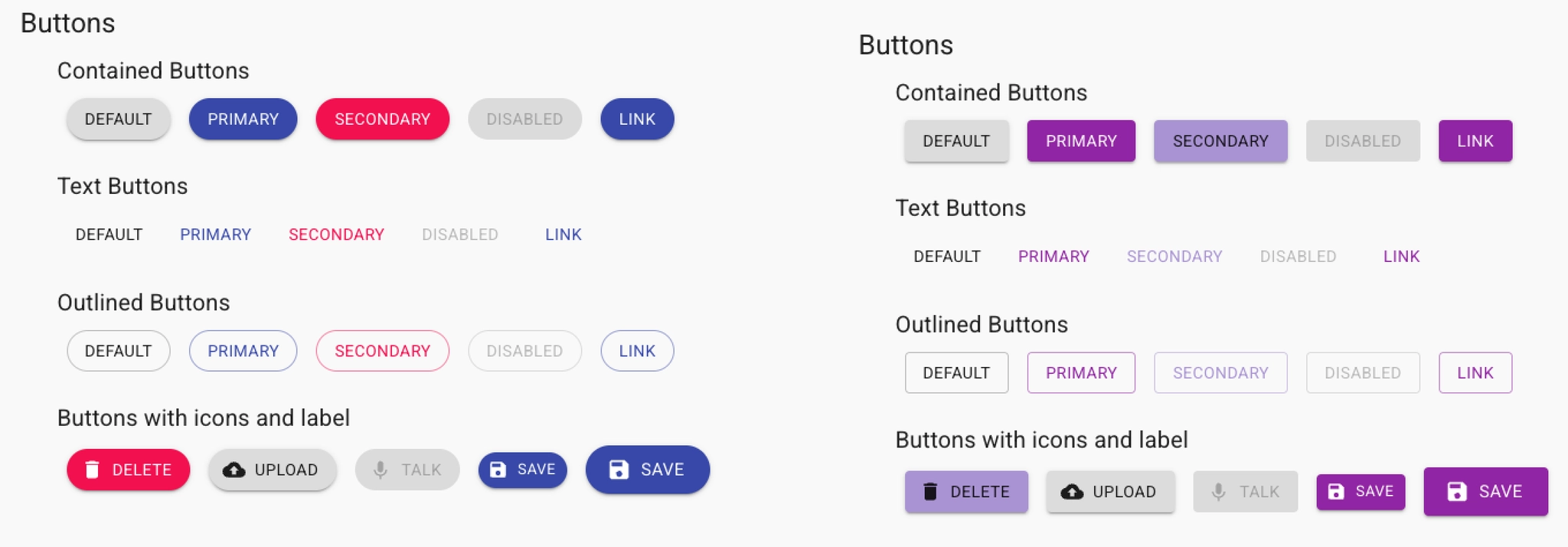
A common misconception in design systems is that a universal framework can be built from a set of infinite levers, toggled to suit any scenario, where we can lift and shift solutions from other systems and apply them to our own.
This approach is reminiscent of a strip mall: a collection of repetitive, generic structures assembled from a narrow set of options, devoid of the local charm and authenticity that make a city’s neighborhoods distinct.
In reality, a city is connected by a shared infrastructure, yet each neighborhood possesses its own unique identity, shaped by its history, culture, and environment, but never feels out of place. Similarly, every product has its own context, challenges, and character. A design system should not be reduced to a checklist of adjustable parameters; it must be a living framework, deeply intertwined with the specific needs of the product it supports.
Now, this isn’t to be confused as a contrast to Brad Frost’s idea of a global design system. In fact, I believe this is more of a complementary topic on how we approach and balance uniqueness vs. sameness. Even Brad Frost himself says, on the topic of agnostic open-source libraries:
Projects like Headless UI and react-aria provide primitive UI components and functionality without a default look and feel. This is what we’re shooting for!
We can provide solutions that answer the needs of accessibility and functionality but still provide a way to “…bring our own styles to the party.”
New solutions should be free from relying solely on “blessed” or pre-approved approaches. Instead, they must be driven by the real problems at hand, guided by the insights of user research, A/B testing, and feedback from the product’s consumer base. We can’t expect that offering infinite levers will naturally yield meaningful outcomes. Instead, each lever must be applied intentionally, ensuring that every design decision is informed by the unique needs and context of the product.
 Inspect Detail
Moving Towards Context-Driven Systems
Embracing the spirit of vernacular architecture means creating design systems that are not only efficient and scalable, but also deeply responsive to the unique needs of their users. Instead of being dictated by generic, external trends, our systems should be built from the inside out, grounded in the specific challenges and insights of our product and its community. Who cares about chasing the latest “isms” like Brutalism, Glassmorphism, or Neumorphism? You don’t need to build every component that has existed in other systems, or even follow the token semantics of other teams. The true beauty of vernacular design is that its style emerges organically from the community it serves and the problems it aims to solve.
Striking the Right Balance
Design systems should be the culmination of modern insights and accessible improvements, enriched by a deep understanding of a product’s distinctive needs. Modern web patterns and common practices are invaluable; they ensure accessibility, facilitate intuitive wayfinding, and meet users’ expectations. Yet, accepting these established norms as the only path can be limiting. Just as in architecture, where accessibility requirements can serve not only as constraints but also as catalysts for creative solutions, our design systems should harness these standards as tools to inspire innovation rather than restrict it.
Instead of reducing our craft to a set of mechanical levers that yield generic outcomes, design systems should become flexible tools that combine data-driven insights with local expertise. By doing so, we create digital experiences that are not only efficient and accessible but also deeply resonant, reflecting the rich, unique narratives of the communities they serve. The uncharted paths, the nuances that make every product distinct, should speak directly to the users they aim to serve.
In our rapidly evolving landscape, where AI and emerging technologies are accelerating us toward a design singularity and further homogenizing creative output, the challenge is clear. As automated systems increasingly standardize design, we must work to preserve the authenticity and context that make our products unique.
Let us not repeat the mistakes of traditional architecture, where efficiency and uniformity were prioritized at the expense of creativity and culturally reflective design. Just as vernacular architecture remains deeply connected to its local community, our design work must balance the consistency users expect with the distinct character that sets our products apart.
Final Thoughts
Before you conclude, let me clarify: this isn’t a call for endless deviation or chaos. Design systems are inherently designed to enforce consistency, a foundational element in creating reliable and cohesive user experiences. The real impact of our work, however, depends on how our solutions are informed. Yes, it’s acceptable for one UI to resemble another if that similarity stems from proven, effective practices. Yet what truly matters is the process behind the solution.
Think of it like constructing buildings in earthquake-prone areas. Engineers may adopt shared seismic safety principles, but each building is tailored to its local context, resulting in unique, resilient structures. Similarly, our design systems should combine universal best practices with localized insights. They must serve as a framework that not only upholds consistency but also resonates with the distinct needs of the product and its users.
By reimagining design systems through the lens of vernacular architecture, we challenge the homogenization that has become a dominant feature of modern design. We are called to create systems that are as multifaceted and unique as the products they support, systems that strike a balance between the benefits of consistency and the richness of context-driven creativity. In doing so, we deliver digital experiences imbued with depth, character, and genuine purpose.
Originally published on Notion(opens in a new tab)